
You receive a message from a frustrated customer. It interrupts your day. It feels like a setback. But this book asks you to pause and see the moment differently. What if this complaint is the clearest roadmap to improving your service? What if it’s the start of loyalty, not the end of it?
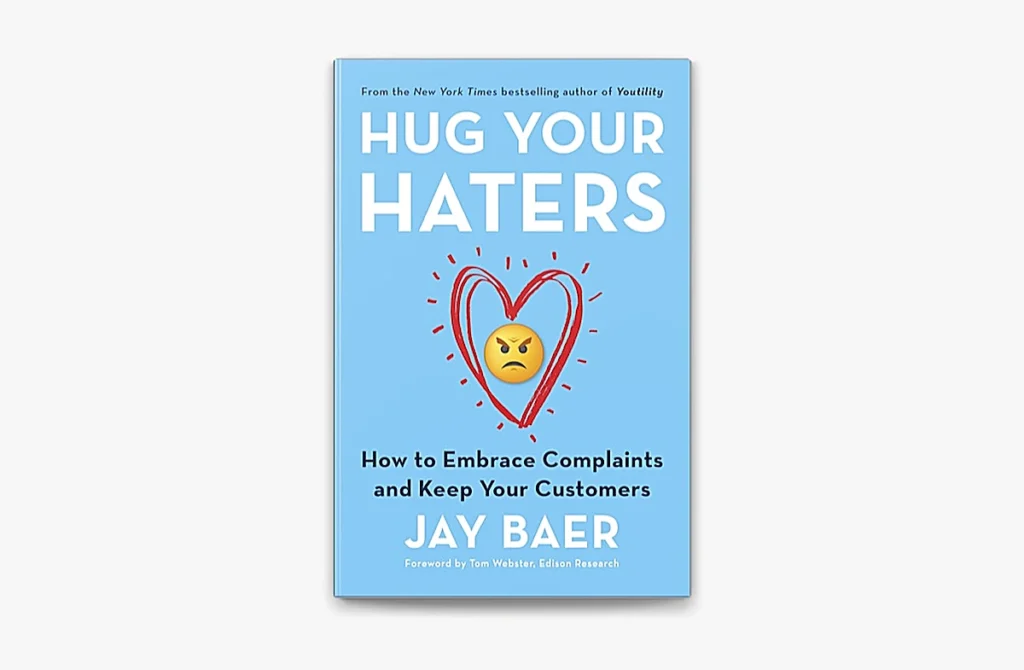
That idea is why we chose Hug Your Haters for our review. The book challenges you to rethink how you deal with criticism. It shows how complaints reveal what customers value, fear, and expect. For readers, especially those working in government and service-focused sectors, the lessons are practical. People in the region expect dignity, clarity, and fast responses. A single negative experience can spread quickly. This book prepares you for that reality.
The story begins with two types of complainers.
The first is quiet. They email, call, or send a message privately. They don’t want attention; they want solutions. When you solve their issue in one interaction, they feel respected. Many customers say this single-step resolution matters most.
The second is louder. They post publicly on social platforms. Everyone can see their frustration. How you respond shapes the way others view your brand. A quick, calm, human reply can turn a risky moment into proof of your reliability.
The book doesn’t stop at storytelling. It gives you a simple method you can follow.
Start by identifying what type of complaint you’re dealing with. Then use the CARE approach: confirm the issue, assess the urgency, resolve it using the same channel, and extend support beyond the solution. Monitor every channel daily so you never miss a complaint. Sort issues by urgency and visibility. Build self-service tools so customers can solve problems without waiting. And always close the loop by showing customers how their feedback led to real improvements. When you “hug” your haters, you’re not just fixing problems. You’re strengthening relationships. You show customers you’re listening. You prove that service standards matter. And you turn a difficult moment into a chance to grow.