
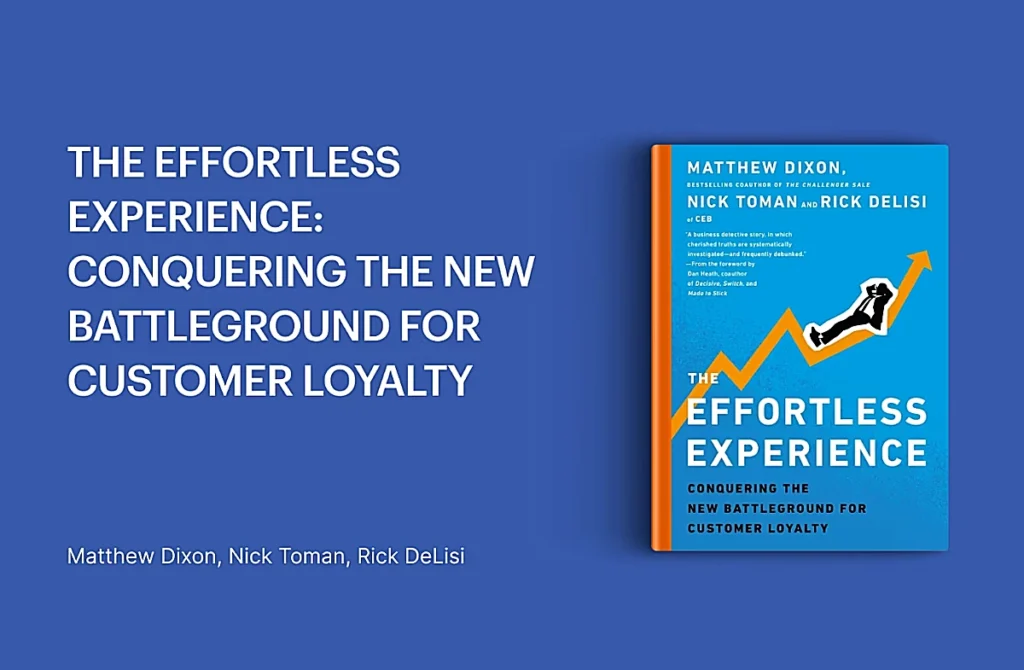
We selected The Effortless Experience because it speaks directly to a challenge many organizations in our region face: customers are not looking for special treatment—they want an easy journey. Whether in government or the private sector, customers value clarity, speed, and respectful guidance. This book shows exactly how to deliver that.
Imagine a customer trying to solve a simple issue online. She clicks through multiple pages, gets stuck, and finally calls the contact center. She repeats her story to one agent, then another. By the time someone helps her, she’s tired and frustrated. Most organizations believe they can fix this with “delight.” But the authors discovered something different.
Through a global study of 97,000 customers, they found that delight adds very little loyalty. Meeting expectations is enough. What truly drives people away is effort—confusing steps, channel switching, unclear instructions, and repetitive conversations. The real battleground for loyalty is simplicity.
The book introduces four practices used by low-effort organizations: effective self-service, preventing repeat calls, reducing perceived effort through clear language, and empowering frontline teams with flexibility. These ideas form the backbone of a practical approach any team can adopt.
A simple advice emerges from the book’s insights:
- Start by identifying effort hotspots along the journey.
- Then simplify self-service so customers don’t abandon it.
- Train teams to practice next-issue avoidance by solving future problems before they appear.
- Use calm, direct language to guide customers and reduce their sense of effort.
- Finally, give frontline staff the authority to adapt, decide, and take ownership—this builds smoother interactions and faster resolutions.
For our readers, this book offers a clear path to building services that feel respectful, modern, and easy to use. It replaces complexity with confidence and turns effort reduction into a daily practice rather than a one-time project.