

In a region where innovation, efficiency, and citizen satisfaction are national priorities, the UAE government continues to lead the charge in transforming public services. One of the most powerful tools to accelerate this transformation is service design—a strategic, human-centered approach that ensures government services are effective, seamless, and built around the real needs of users.
What Is Service Design?
Service design is the practice of planning and organizing people, processes, technologies, and infrastructure to enhance both the user experience and the provider’s efficiency. It combines creativity with system thinking to deliver services that are not only functional, but intuitive, inclusive, and impactful.
Unlike traditional design, which focuses on standalone products or digital interfaces, service design looks at the entire service ecosystem—from the first point of contact to the final outcome, across all channels.
How Service Design Differs from Related Concepts
While terms like service excellence and customer experience (CX) often appear alongside service design, they serve different (yet complementary) purposes:
| Concept | Focus | Goal |
| Service Design | End-to-end structure & delivery | Design services that work for all |
| Service Excellence | Consistency and quality of delivery | Exceed service expectations |
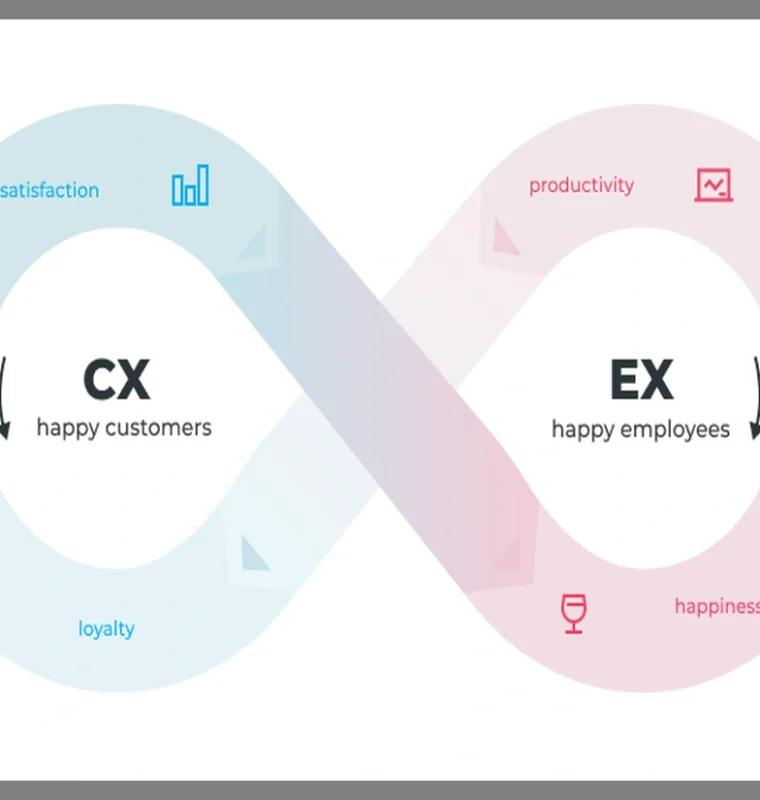
| Customer Experience | User perception and satisfaction | Improve how services feel to users |
In short: service design creates the structure, service excellence ensures it is delivered well, and CX measures how users experience it.
Global Best Practices in Government Service Design
Leading governments worldwide are adopting service design to deliver smarter, more user-friendly public services:
- UK (GDS): Introduced a four-phase approach (Discovery to Live) and mandated user research, accessibility, and performance monitoring.
- US (18F/USDS): Uses agile, user-centered design to modernize critical services across federal Organizations.
- New Zealand (Smart Start): Bundles services for new parents into one seamless journey, reducing friction and complexity.
- Estonia (e-Government): Enables proactive, data-driven services through secure digital infrastructure and ID systems.
- Canada & Australia: Focus on inclusivity, accessibility, and citizen co-creation.
UAE Highlights
- Abu Dhabi – Program for Effortless Customer Experience: The Abu Dhabi Program for Effortless Customer Experience is a pioneering new model that will enable effortless customer experiences across Abu Dhabi Government and position the emirate as a leader in the field.
The new model, which addresses the entire customer experience holistically, is benchmarked against international standards and will see major investment in human capital through a government-wide effortless customer experience training programme. - Dubai – Government Services Centers (Dubai Service Model / Dubai 360): Shifting toward a preemptive (proactive) and anticipatory government model by delivering key services, such as (renewals, child registration, and Mabrouk Ma Yak) —before users request them, leveraging AI, data, and integrated systems.
These practices show how service design is transforming governments—from reactive to responsive, from fragmented to integrated.
Proven Methodology for Service Design in Government
Governments that excel in service design typically follow a phased, agile methodology:
- Discovery – Understand user needs, pain points, and service context through research.
- Define – Map current service journeys and identify areas for improvement.
- Design – Co-create solutions with users and staff; prototype multiple options.
- Deliver – Develop a scalable, testable version of the service (Beta).
- Improve – Continuously refine based on real-time feedback and data.
This methodology emphasizes collaboration, iteration, and measurement, ensuring services evolve with user expectations and policy goals.
Applying Service Design in the UAE Government Context
The UAE’s commitment to innovation, digital transformation, and citizen happiness makes it a natural champion of service design. However, localized adaptation is key:
- Integrate with National Vision: Service design can support the UAE Vision 2031, the Digital Government Strategy 2025, and Emirates Government Service Excellence initiatives.
- Respect Cultural & Linguistic Diversity: Services must accommodate Arabic, English, and other common languages, and reflect the needs of both Emiratis and expats.
- Enhance Existing Platforms: Applications like UAE Pass and DubaiNow can be further optimized through end-to-end journey mapping and user testing.
- Design Across Organizations: Many public services span multiple ministries; service design helps unify these experiences.
By embedding service design into digital transformation efforts, UAE government entities can reduce fragmentation, boost satisfaction, and deliver on their promise of world-class governance.
How We Help
At Impact Associates, we specialize in strategic advisory and creative content development tailored to the Government sector. Our service design offerings include:
- Service design strategy & implementation.
- User research and journey mapping.
- Service blueprinting and co-creation workshops.
- Training for government teams on service design thinking.
- End-to-end content and experience design for digital services.
We don’t just redesign services—we reshape how governments connect with people. Our goal is to help UAE entities become not just more efficient, but more empathetic, human-centered, and future-ready.